





International Music Conferences: How to Connect, Build Strategic Relationships, and Create Real Opportunities for Songwriters
Attending these conferences should not be seen as a passive “let’s see what happens” experience, but as a strategic action with clear objectives.
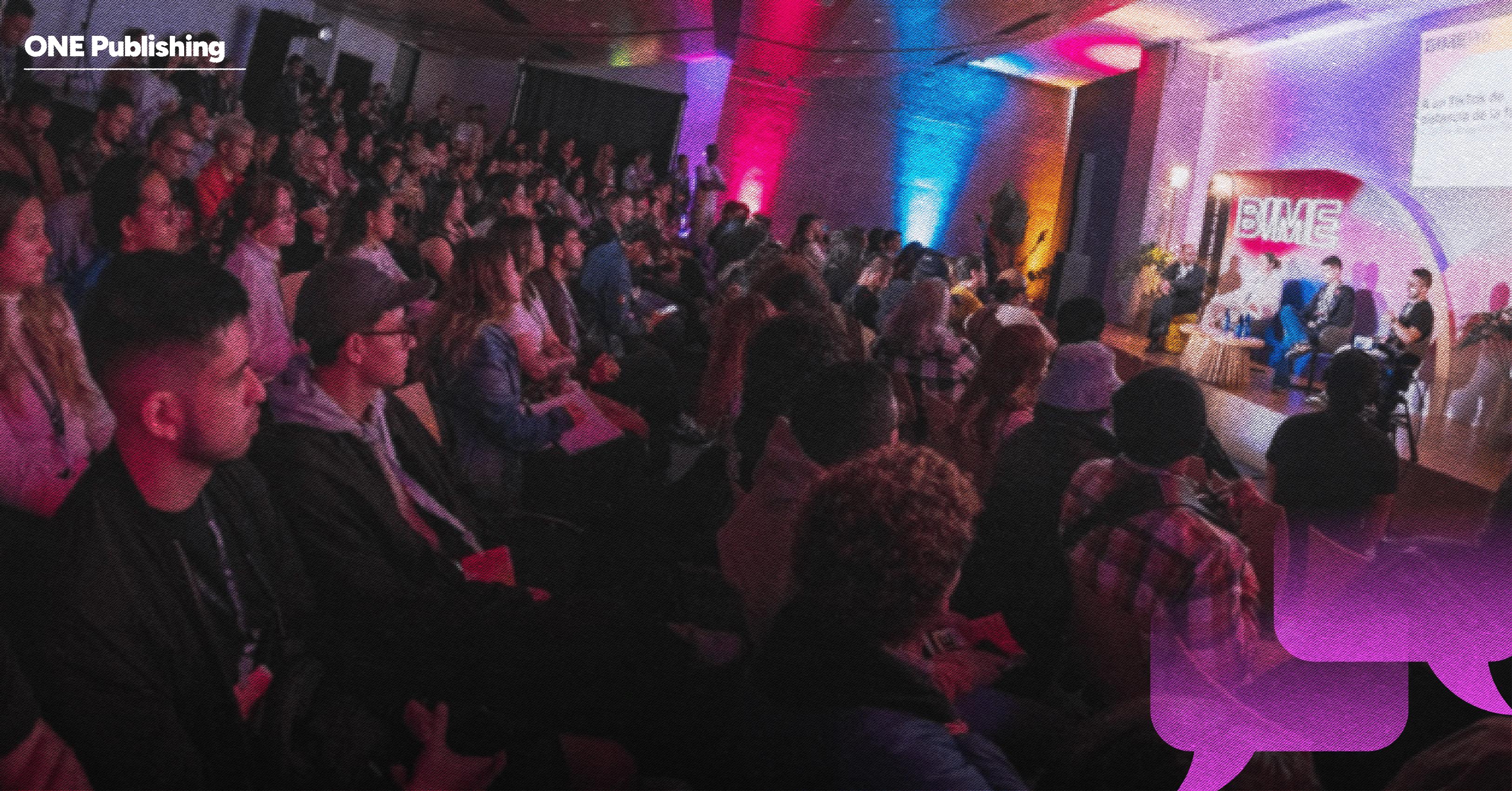
International music conferences have become some of the most strategic spaces for the professional development of songwriters, composers, and music projects. Events such as BIME, FIM Guadalajara, and Circulart not only bring together key industry players, such as publishers, managers, labels, sync teams, and platforms, but also serve as meeting points where long-term professional relationships are built.
For songwriters, attending these conferences should not be seen as a passive “let’s see what happens” experience, but as a strategic action with clear objectives. The first step is applying properly. Many conferences offer calls for showcases, speed meetings, business rounds, or professional accreditations. Preparation means having a solid press kit, updated music, clear information about your role (songwriter, producer), and a coherent narrative around your project. It’s not only about what music you make, but about the value you bring to the music ecosystem and why your profile is relevant to potential partners.
Once inside, the real challenge is knowing how to approach people and whom to approach. Before attending, it’s essential to research who will be there: music publishers, sync supervisors, songwriter associations, booking agents, or cultural managers. Many conferences publish their delegates or strategic partners in advance. Identifying these players allows you to arrive with a concrete goal: presenting your catalog, seeking publishing representation, exploring sync opportunities, or building creative partnerships.
Effective networking at music conferences doesn’t happen only during formal panels. In fact, many valuable connections are made in informal spaces: hallways, coffee breaks, cocktail events, or social activities. For songwriters, the key is approaching conversations, not sales pitches. Introducing yourself clearly, briefly explaining what you do, and showing genuine interest in the other person’s work opens far more doors than insisting on “listen to my music.” The music industry is built on trust, and trust grows by listening as much as talking.
To make these encounters work, it’s essential to arrive with the right materials prepared. A songwriter should have:
-
Professional press kit: a short, clear bio, updated photo, contact details, and direct links to the music.
-
Curated catalog: private playlists organized by style, language, mood, or potential use (radio, sync, pop, indie, urban). Focus matters more than quantity.
-
Elevator pitch: a natural, concise explanation of who you are, what you do, and what you’re looking for at the conference—be present and memorable.
-
Physical or digital business card: ideally with a QR code linking to a linktree or folder with all materials.
-
Defined objective: knowing whether you’re looking for co-writing, publishing representation, placements, or creative development.
Another key element is setting realistic expectations. A songwriter won’t sign a publishing deal in three days, but they can get their music in front of the right person, start a professional relationship, or schedule a follow-up meeting. The real impact of a conference is often measured weeks or months later, when those contacts turn into collaborations, co-writes, or new opportunities.
Finally, preparation doesn’t end when the conference is over. Follow-up is critical: sending personalized emails, sharing promised materials, and maintaining consistent, professional communication. International music conferences are platforms, not final destinations. For songwriters, they represent a unique opportunity to position themselves, learn the industry’s language, and build a network of trusted allies that supports sustainable career growth.
Attending with strategy, clarity, and human awareness turns these spaces into true catalysts for artistic and professional growth.